
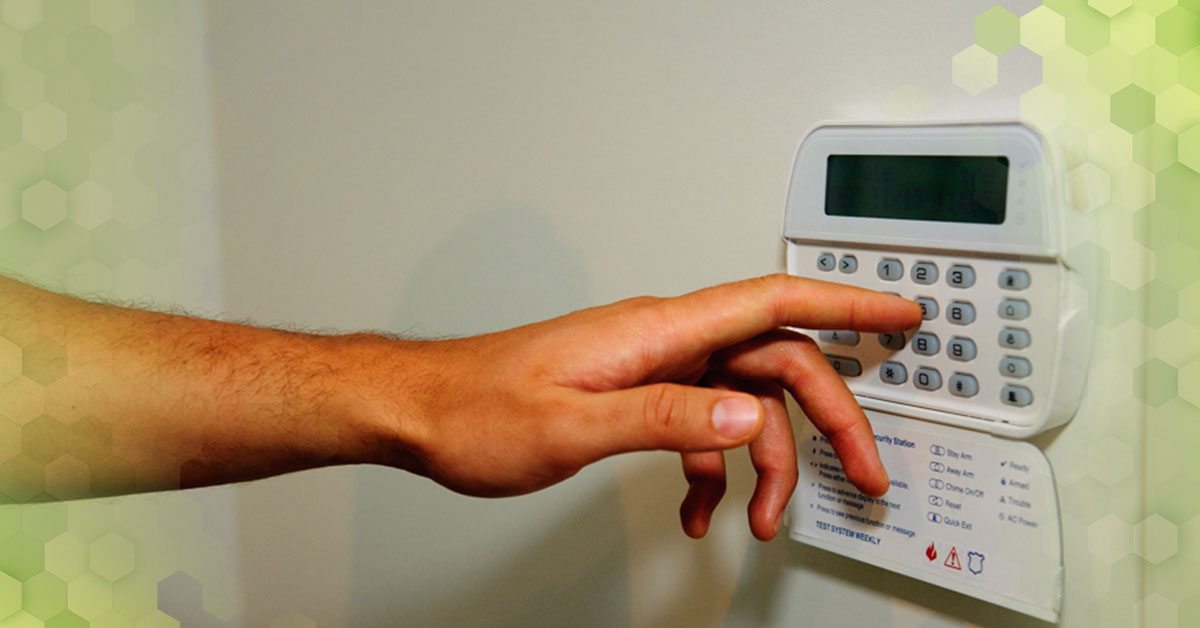
Choosing a home alarm system in New Zealand comes down to matching sensors, monitoring options and installation type to your property, and deciding whether you want it professionally installed or set up yourself. Newer systems are often designed for straightforward self-installation, while others still call for a qualified installer, so it helps to know which applies before you buy. Matrix Security has spent 30-plus years fitting and maintaining alarm systems across Auckland homes and can talk you through both options. This guide focuses on choosing and buying the right system for your home, and if you want the full detail on monitoring, our alarm monitoring and response guide covers that.
- What to Look for in a Home Alarm System
- Matching the System to Your Home
- Monitored vs Unmonitored Alarm Systems
- Installation and What It Costs
- Frequently Asked Questions
What to Look for in a Home Alarm System
Four things determine how well a system protects your home once it is in, the sensors it uses, whether it is monitored, whether it is wired or wireless, and how much control you have over it day to day.
- Sensors. Door and window contact sensors detect when an entry point is opened, motion or PIR (passive infrared) sensors detect movement inside a room, and glass break sensors detect the specific sound frequency of breaking glass.
- Monitoring options. Self-monitored systems send alerts straight to your phone through an app, while professionally monitored, or back to base, systems send alerts to a monitoring centre that can respond on your behalf.
- Wired versus wireless. Wired systems run cabling to each sensor and are usually installed at the build or renovation stage. Wireless systems connect sensors to the control panel by radio signal and are commonly chosen for existing homes since there is no cabling to run.
- App or remote control. Many systems now allow arming, disarming and notifications from a smartphone app, with some offering camera integration for a fuller view of the property.
| Best for | Installation | Reliability considerations | |
| Wired | New builds, renovations, and properties where cabling is accessible | Cabling run to each sensor, generally suited to the building or renovation stage | Stable connection once installed, though more disruptive to retrofit |
| Wireless | Existing homes, retrofits, and rented properties | Sensors paired to the control panel by radio signal, usually quicker and less disruptive to fit | Depends on signal strength and battery life, though most systems are designed to manage both automatically |
Alarm installation in New Zealand is guided by AS/NZS 2201.1:2007, the recognised standard covering the design, installation, commissioning and maintenance of intruder alarm systems on a client’s premises. Whether you install a system yourself or have it professionally fitted, it is worth knowing what the standard covers so you can check any system against it. Matrix Security’s installers are trained to this standard for every wired and wireless installation, which is one of the practical benefits of having a system professionally fitted rather than working it out alone. For general guidance on securing your home alongside your alarm system, New Zealand Police also publish practical home security advice.
Matching the System to Your Home
No two homes need exactly the same setup. A property with several accessways and a larger perimeter needs different coverage to a compact townhouse with one entry point, and the number of sensors, where they go, and even the type of system that makes sense can change from property to property.
Standalone house. A standalone home typically has more entry points and a larger perimeter to cover, calling for door and window sensors on external access points plus motion sensors through main living areas and hallways.
Townhouse or apartment. Fewer entry points and shared walls generally mean a smaller sensor count covers the property well, often contact sensors on the front door and any ground floor windows.
Multi-storey home. Each floor needs its own sensors, with motion sensors at stairwells and landings helping to pick up movement as someone moves between levels.
Property size, the number of entry points, and whether the existing wiring or infrastructure suits one system type over another all play into the right setup for your home. A site visit lets Matrix Security carry out a risk assessment of your property and recommend a system that fits both your home and how you live in it. Explore Matrix Security’s alarm systems and solutions to see the range available.
Monitored vs Unmonitored Alarm Systems
An unmonitored alarm system alerts you directly, through a smartphone app, a siren, or both, and it is up to you to check what is happening and decide what to do next. A monitored system, often called back to base monitoring, adds a monitoring centre into that chain. When the alarm activates, a signal is sent to the Monitoring Intelligence Centre, where trained operators assess the event information and follow the property’s agreed response plan, whether that is contacting you, a key holder, or emergency services.
Which suits you often comes down to how hands-on you want to be if something happens while you are out, at work, or away travelling, and whether you would rather that response be coordinated for you. For a full comparison of self-monitoring and professional monitoring, including what each involves day to day, see Matrix Security’s self-versus professional monitoring guide. If you are already leaning toward a monitored option, our alarm monitoring and response page covers what to expect in more detail.
Installation and What It Costs
Installation generally follows the same process regardless of system type, whether you are fitting sensors around a compact apartment or wiring a full perimeter on a larger property. Matrix Security consultants will work through each stage in order, so you know what to expect before the installation day.
- Site assessment. A Security Consultant visits your property to assess entry points, layout and any existing wiring.
- Sensor placement. Sensor types and positions are decided based on that assessment.
- Wiring or wireless setup. Cabling is run for wired systems, or wireless sensors are paired to the control panel.
- App or system configuration. The system is configured, including app access, arming schedules and any camera or video surveillance and monitoring integration.
- Handover. The installer walks you through using the system before finishing up.
What a system costs varies from home to home, shaped by the number of sensors, whether it is wired or wireless, whether monitoring is included, and the size of your property. Matrix Security installs across Auckland, with pricing put together around each property’s own setup rather than a flat rate.
Frequently Asked Questions
How do I choose a home alarm system in NZ?
Start by considering the sensors your home needs, whether a monitored or unmonitored system suits you, whether wired or wireless fits your property, and whether app control matters to you. A site visit or consultation is the most reliable way to match a system to your specific home.
What is the difference between a monitored and an unmonitored alarm system?
An unmonitored system sends alerts directly to you, usually through an app or a siren, while a monitored system sends alerts to a monitoring centre that can arrange a response. Monitoring adds a layer of response beyond what a homeowner can provide alone.
Is a wired or wireless alarm system better for my home?
Wired systems suit new builds or renovations where cabling is accessible, while wireless systems suit existing homes or rented properties where installation needs to be quicker and less disruptive. The better option depends on your property and stage of ownership.
How much does a home alarm system cost in NZ?
Cost varies from home to home, depending on the number of sensors, whether the system is wired or wireless, whether monitoring is included, and the size of the property. The most reliable way to get an accurate figure is to contact Matrix Security for a quote tailored to your home.
How long does alarm installation take?
Installation time depends on the size of the property, the number of sensors, and whether the system is wired or wireless. Matrix Security can give you a clearer timeframe once they know a bit more about your home.
Getting the Right Alarm System for Your Home
Choosing a home alarm system comes down to knowing what to look for, matching the system to your property, deciding whether monitoring is right for you, and then deciding on installation. With 30-plus years fitting and maintaining alarm systems across Auckland homes, Matrix Security can walk you through those decisions and put together a recommendation built around your property and how you live in it. Explore Matrix Security’s alarm systems and solutions to see what is available, or if you are already leaning toward a monitored system, visit the alarm monitoring and response page to see what that looks like. Feel free to reach out to one of our friendly team members today to discuss your options.